
Rents are through the roof. Vacancy rates are basically a rumour in most cities right now. And every so often, you come across a landlord who seems to have genuinely forgotten there’s an actual human being living in the property they own. Sound familiar? If you’ve ever caught yourself thinking “surely they can’t just do that” , that instinct is worth listening to, because it usually comes down to one thing.
Funny how it works, though. Nobody googles tenant rights on a quiet Sunday afternoon just for fun. It’s always reactive , the bond doesn’t come back in full, the rent increase notice lands in your inbox out of nowhere, or there’s a damp patch on the ceiling that’s been “getting looked into” for three months straight. That’s the moment stop being a dry legal phrase tucked away in some government website and start being the thing standing between you and getting completely walked over.
So consider this your head start. No legalese, no fifteen-page government PDFs , just a straightforward, honest rundown of tenant rights in Australia, written the way someone would actually explain it to a mate over coffee, not the way a law firm would write it up for a client.
Visit now: https://rentcalculatorpro.com/
Why Tenant Rights Actually Matter
Here’s a reframe worth sitting with: aren’t some anti-landlord conspiracy dreamed up to make life harder for property owners. They’re a balancing act. Landlords own the property, fair enough , they’ve taken on a financial risk and they’re entitled to a return on it. But tenants live there, pay for the privilege every single week or fortnight, and deserve basic protections in return. Safety. Privacy. Being treated fairly. A home that doesn’t fall apart around them the moment winter hits. That’s the whole idea behind, and Australia’s rental laws, messy and inconsistent as they sometimes are, are built to protect exactly that balance.
The renters who end up getting burned aren’t usually the ones breaking rules or causing trouble , they’re the ones who never bothered learning their tenant rights until it was already too late to actually use them.
Tenant Rights Vary by State , Here’s the Catch
Now, here’s where things get a little annoying. There isn’t one neat, Australia-wide tenant rights law you can just memorise once and be done with forever. Every state and territory has written its own residential tenancies legislation, which means tenant rights in Perth aren’t word-for-word identical to tenant rights in Brisbane or Hobart. The spirit’s the same everywhere , fairness, safety, reasonable notice , but the details? Not always.
Victoria overhauled its Residential Tenancies Act back in 2021, tightening up considerably and closing a lot of loopholes landlords used to lean on. New South Wales runs on the Residential Tenancies Act 2010, policed by Fair Trading NSW, with its own particular quirks around notice periods and rent increases. Queensland’s got the Residential Tenancies Authority handling bonds and disputes, and it operates a little differently again. South Australia, Western Australia, Tasmania, the ACT, and the Northern Territory each run slightly different flavours of the same core idea.
Moral of the story: don’t assume what applies in one state applies everywhere else, because it very often doesn’t. Look up your own state’s tenancy authority before you take anything as gospel truth. The broad strokes of tenant rights hold steady nationwide , the fine print absolutely doesn’t, and that fine print is usually where disputes actually live.
So What Do Tenant Rights Actually Cover?
A home that’s actually safe to live in. This is the big one. Working plumbing. Electricity that doesn’t randomly trip. No exposed wiring, no crumbling walls. If your rental’s got mould creeping across the bathroom ceiling, a heater that gave up in the dead of winter, or a stove that just flatly refuses to light, that’s not a “deal with it” situation. Your tenant rights say the landlord has to fix it, and in most states, they’re expected to respond within about 14 days for regular repairs, and immediately for anything genuinely dangerous like a gas leak.
Your bond, properly protected. Almost every tenancy involves handing over a bond, typically around four weeks’ rent. Under tenant rights rules, that money doesn’t just sit in the landlord’s back pocket , it gets lodged with the state’s official bond authority. When you move out, you’re entitled to a fair comparison between the property’s current condition and the original entry condition report. Normal wear and tear should never be deducted. If a dispute pops up, tenant rights give you a legitimate path to challenge unfair deductions through your state’s tribunal.
Actual, enforceable privacy. A landlord can’t just let themselves in whenever they feel like it. Most states require at least 24 to 48 hours’ written notice before an inspection, barring genuine emergencies. If it keeps happening anyway, that’s a clear breach of your tenant rights, and you’re entitled to lodge a formal complaint.
Rent increases that actually follow the rules. Landlords generally can’t hike the rent more than once every 12 months on a periodic lease, and they need proper written notice. If you’re partway through a fixed-term lease, tenant rights typically protect you from any increase until the term wraps up. If a hike feels wildly excessive, tenant rights let you take it to your local tribunal for review.
Protection from being kicked out on a landlord’s whim. Evictions have to follow a defined legal process. “No grounds” evictions usually require considerably longer notice, often 90 days or more. Victoria’s actually scrapped no-grounds evictions altogether for a lot of lease types , a solid example of how tenant rights keep evolving in the renter’s favour.
Your Lease Can’t Override Your Tenant Rights
Whatever’s written into your lease, it can’t legally cancel out your basic tenant rights, no matter how officially worded it looks. A landlord can’t slip in a clause banning overnight guests entirely, or one that quietly makes you waive your right to bond protection. Try it, and that clause is generally void the moment it’s challenged.
Reasonable conditions are still fair game , pets, smoking, subletting rules. But tenant rights sit above all of that fine print, always. Read the lease properly before you sign it.
Repairs, Maintenance, and Not Getting the Runaround
The moment something breaks, put it in writing. That message becomes your evidence if the landlord conveniently “forgets” the conversation happened.
Urgent stuff needs fixing fast, sometimes within 24 hours, according to tenant rights legislation across the country. If the landlord drags their feet, a lot of states let tenants arrange the repair themselves and claim the cost back. Non-urgent repairs get more breathing room, but if you’re still being ignored, your state’s tribunal can step in and force the repair.
Yes, Tenant Rights Cover Discrimination Too
A landlord or agent legally can’t reject your application, or treat you differently, because of your race, gender, sexual orientation, disability, family situation, or age. That protection is genuinely baked into tenant rights across the country. If you believe you’ve been discriminated against, the Australian Human Rights Commission or your state’s anti-discrimination body is where that complaint goes.
When Someone Ignores Your Tenant Rights
Start by talking to your landlord directly, in writing, and staying level-headed. Genuinely, a huge chunk of tenant rights disputes get sorted right at this stage.
Didn’t work? Free tenancy advice services exist in every state. The Tenants’ Union knows tenant rights inside and out, and it’s free. Still stuck? Tribunals exist specifically to hear these disputes, and you don’t need a lawyer to use them.
Share Houses, Subletting, and the Grey Areas
Only the person whose name is on the lease usually holds full tenant rights. Everyone else might just be an “occupant” with fewer protections. Thinking about subletting? Get written permission first , skip that, and you risk losing whatever tenant rights protections you’d otherwise have.
Things Are Actually Getting Better, Slowly
Victoria, Queensland, and the ACT have all tightened up tenant rights meaningfully , capping rent increases, banning unfair no-grounds evictions, setting genuine minimum property standards. It reflects a bigger shift: more people renting long-term, and the law finally catching up.
A Few Habits Worth Building
Get everything in writing, always. Photograph the property thoroughly at move-in , it backs up your tenant rights later. Learn your specific state’s rules. Ask questions before signing. Use free tenant advocacy services. Keep every message related to disputes or repairs.
Quick Myth-Busting
Landlords can’t just walk in whenever , proper notice is required. Normal wear and tear can never be deducted from your bond. One late payment doesn’t mean instant eviction. Verbal leases still count, and tenant rights still apply, though proving details gets harder without paperwork.
Read more: Shared Apartment Living: A Complete Cost Breakdown
Conclusion
Tenant rights exist to stop renters from getting steamrolled in a market already stacked against them. Renting shouldn’t feel like constantly bracing for the next unfair surprise, and with a solid grip on your tenant rights, it doesn’t have to. Staying informed is the single biggest thing any renter can do to make sure their tenant rights actually get respected.
FAQ,s
1. Can a landlord ask for rent in advance beyond the usual amount?
Most states cap how much rent can be requested upfront , usually no more than two or four weeks depending on the state. Asking for six months’ rent in advance would breach your tenant rights in most parts of Australia.
2. What happens to my tenant rights if the property gets sold while I’m renting?
A change of ownership doesn’t cancel your lease. Tenant rights generally carry over to the new owner, meaning your existing lease terms still apply until it naturally ends, regardless of who now holds the title.
3. Can I get out of my lease early without penalty?
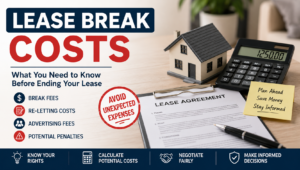
Sometimes. If a landlord has seriously breached your tenant rights , say, ignoring urgent repairs for months , you may be able to end the lease early without the usual break-fee. Otherwise, most leases include a break-lease cost.
4. Are international students and visa holders covered by the same tenant rights as citizens?
Yes. Tenant rights in Australia apply regardless of citizenship or visa status. A landlord can’t legally offer fewer protections just because someone’s on a student or working visa.
5. Can a landlord refuse to renew my lease as payback for a complaint I made?
No , that’s called retaliatory eviction, and most states specifically protect tenant rights against it. If you can show the timing lines up with a legitimate complaint, a tribunal can intervene
6. Do I have any tenant rights around pets if my lease says “no pets”?
Some states, like Victoria, have shifted the rules so landlords need a reasonable reason to refuse a pet request, rather than an automatic no. It’s a newer area of tenant rights still evolving state by state.
7. What if my flatmate on the lease moves out , am I still responsible for the whole rent?
Generally yes, if you’re a co-tenant on the same lease. Tenant rights treat joint tenants as equally liable, so it’s worth sorting out a formal arrangement before someone leaves.
8. Can a landlord charge a “holding deposit” before I’ve even signed anything?
Rules vary, but most states place limits on holding fees and require them to count toward your bond or first rent payment. Charging one with no clear terms can sit in a grey area of tenant rights.
9. Are smoke alarms and safety devices actually a legal requirement, not just a nice-to-have?
Yes. Working smoke alarms are a mandatory minimum standard in every state, tied directly into your tenant rights around having a genuinely safe home to live in.
10. Can a real estate agent run a credit check or rental history check without telling me?
No , you need to consent to background and reference checks during an application. It’s a smaller but real part of tenant rights around privacy and fair treatment during the applying process.
11. What are my tenant rights if the property gets damaged by something outside my control, like a storm?
You’re not liable for damage from natural events. Tenant rights still require the landlord to repair storm damage, and you may even have grounds to negotiate reduced rent if part of the home becomes unlivable.
12. Can I be charged for professional carpet cleaning when I move out, even if I kept it clean myself?
Only if your lease specifically states this condition and it’s reasonable. Otherwise, tenant rights generally only require you to leave the property in the condition it was in, minus fair wear and tear , not spotless beyond reasonable use.
13. Do tenant rights cover common areas in a share house, like the kitchen or living room?
Yes, though enforcement gets trickier since usage is shared. Basic safety and maintenance obligations under tenant rights still apply to common areas, not just your individual bedroom.
14. Can I give notice to end my tenancy early if I need to move for work or family reasons?
You can request it, but you’re generally still bound by your lease term unless your state’s tenant rights framework includes hardship provisions, which some states do recognise for specific circumstances.
15. Is landlord insurance the same as protecting my tenant rights?
No , landlord insurance protects the property owner’s asset, not your legal protections as a renter. Your tenant rights exist independently under state legislation, regardless of what insurance the landlord holds.